GT elect to bowl first against LSG at Ekana: the 12 April toss call
What the Sunday toss at Ekana actually decided
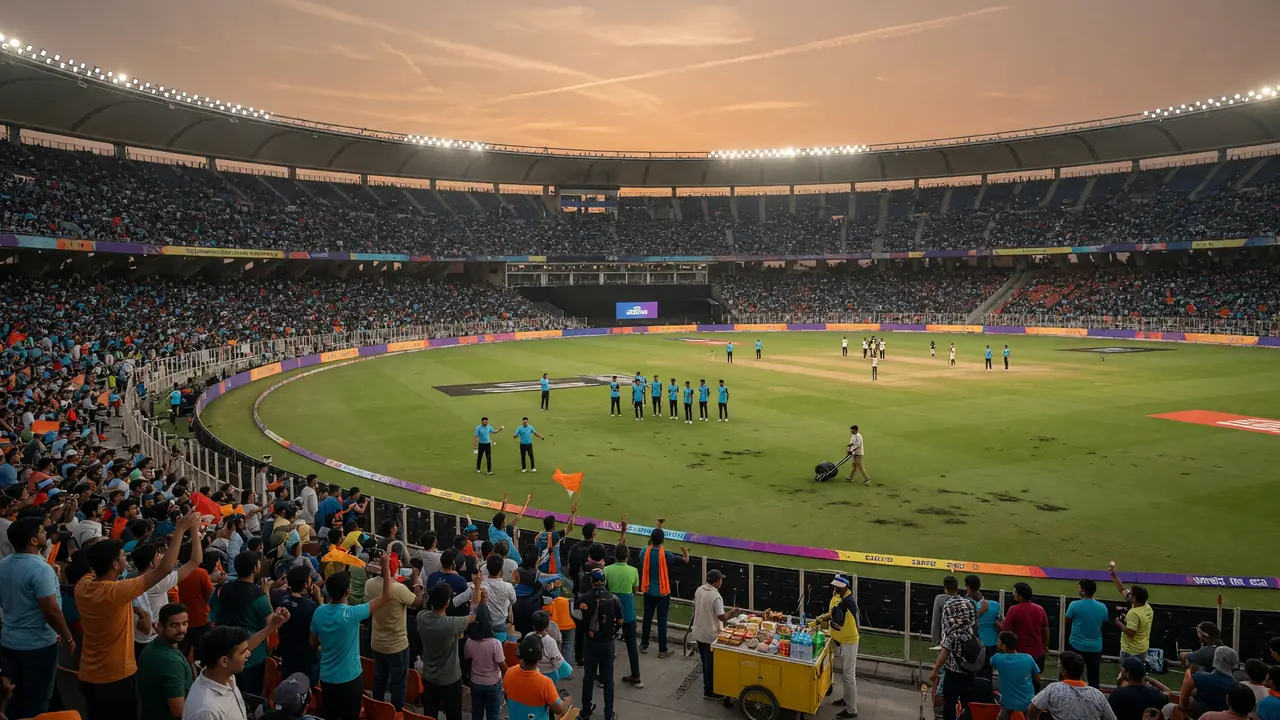
On Sunday, 12 April 2026, at Bharat Ratna Shri Atal Bihari Vajpayee Ekana Cricket Stadium in Lucknow, Gujarat Titans captain Shubman Gill won the toss and sent Lucknow Super Giants in to bat. The call was straightforward on the surface and carefully framed in the post-toss interview: field first, keep the side unchanged, and treat the long season as a consistency test rather than a single-night gamble.
The original report, published by The News Mill with ANI inputs at 15:27 IST the same afternoon, recorded the toss decision, Gill’s remarks, the recent form of both franchises, and the full named elevens with impact substitutes. Months on, that toss note remains a clean working record of how GT wanted to play a Sunday night away fixture against an LSG side that had already built a habit of finishing matches in the final over.
This retrospective stays inside that verified record. It does not invent a result, a pitch reading beyond what the captains said, or a crowd reaction that was not reported. It reconstructs the cricket shape of the decision: why bowling first suited Gill’s message, how the two XIs were built, and what the form lines around the fixture already told both dressing rooms.
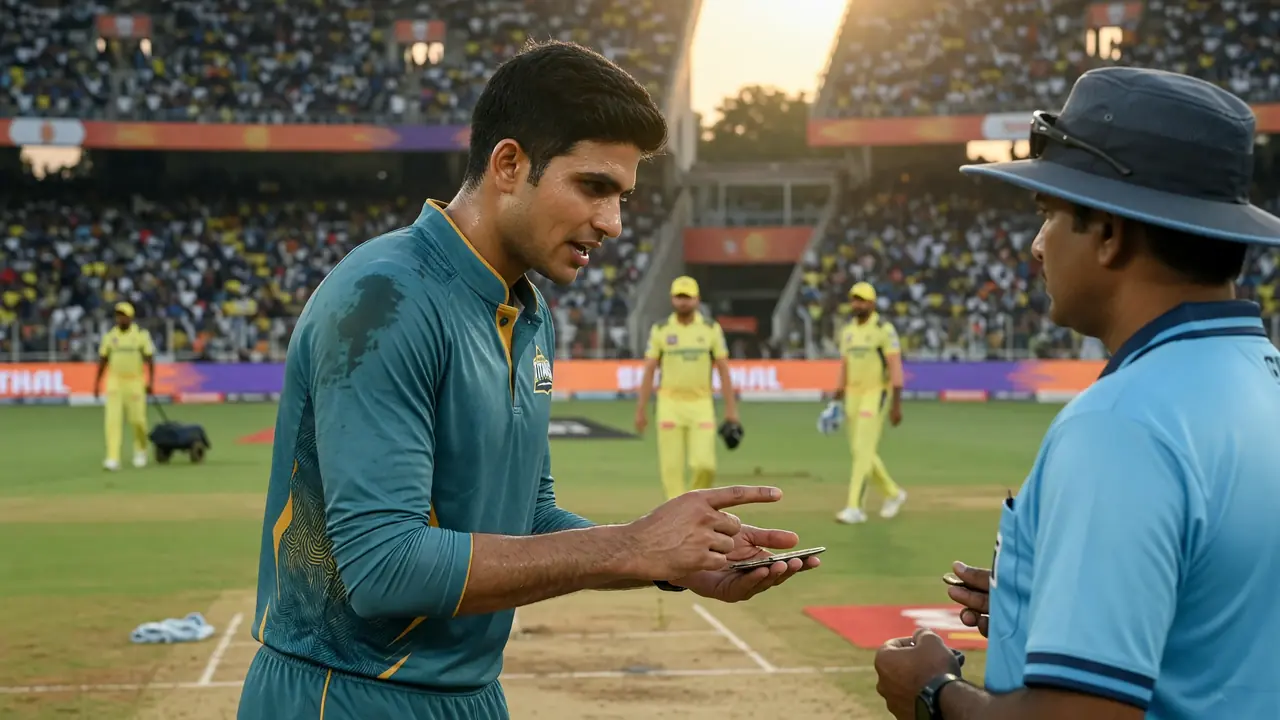
Gill’s three lines after the coin came down.
Gill’s post-toss comments, as carried in the original report, break into three practical points rather than a long surface lecture.
First, Gujarat Titans would bowl. The side preferred to chase the target once the evening had settled, a common enough preference at Ekana when captains trust their middle-overs bowling and want a fixed total to hunt.
Second, the eleven was unchanged. Confidence from the previous outing — Gill pointed to two points already banked — meant GT saw no reason to tinker for the Lucknow trip. Continuity itself was part of the message: the combination that had just delivered was the combination they wanted to test again.
Third, Gill cast the season in longer language. After fourteen league matches, he said, the most consistent side would finish on top. The line is ordinary captain-speak until it is read against GT’s early ledger. One win from three games is not a crisis, but it is not a cushion either. Consistency was not a slogan; it was the gap between a commanding win over Delhi Capitals at Arun Jaitley Stadium and the two results that had not gone their way.
What the toss note does not claim
The News Mill report is a toss brief with form context and team sheets. It does not publish a ball-by-ball pitch assessment, a weather station reading, or a final score. Any later reading of how the chase unfolded sits outside this retrospective. The desk treats the 12 April piece as a high-confidence snapshot of the toss and the named sides, not as a full match report.
Two different early-season shapes walking into the same Sunday.
Lucknow Super Giants had opened IPL 2026 with a loss to Delhi Capitals, then won their next two matches in last-ball finishes. That is a specific kind of early form: not dominant, but battle-hardened. A side that has already survived two final-over chases or defences arrives at a home Sunday with a different internal temperature from a side that has only looked comfortable once.
The most recent of those LSG wins carried a clear individual marker. Mukul Choudhary finished unbeaten on 54 off 27 balls in a narrow win over Kolkata Knight Riders. The knock sits in the original report as the headline performance of LSG’s previous outing, and it helps explain why Gill’s bowling-first call was not a soft option. LSG had already shown they could finish a contest from the edge of the scoreboard.
Gujarat Titans, by contrast, had won only one of three. The win that did land was substantial: a commanding performance against Delhi Capitals at Arun Jaitley Stadium. The imbalance between that result and the two defeats is exactly the tension Gill addressed when he spoke about consistency across fourteen matches. One big win does not write a table; repeated selection and repeated execution do.
How both sides walked out after the toss.
The original report listed both XIs and both impact-substitute benches in full. Read side by side, the sheets show two different construction ideas for a Sunday night at Ekana.
Lucknow Super Giants
- Mitchell Marsh
- Aiden Markram
- Rishabh Pant (wk, c)
- Ayush Badoni
- Nicholas Pooran
- Abdul Samad
- Mukul Choudhary
- Mohammed Shami
- Avesh Khan
- Digvesh Singh Rathi
- Prince Yadav
Gujarat Titans
- Sai Sudharsan
- Shubman Gill (c)
- Jos Buttler (wk)
- Washington Sundar
- Glenn Phillips
- Rahul Tewatia
- Rashid Khan
- Kagiso Rabada
- Mohammed Siraj
- Ashok Sharma
- Prasidh Krishna
LSG’s batting spine is stacked through the middle: Marsh and Markram at the top, Pant holding the gloves and the captaincy, then Badoni, Pooran and Samad before Choudhary’s finishing role. The bowling end leans on Shami and Avesh with Rathi and Prince Yadav for variation, and the impact bench keeps Mayank Yadav and left-arm spin options available if the surface asks a different question after the powerplay.
GT’s sheet is built the other way around once the new ball is taken. Sudharsan and Gill open, Buttler keeps, then Washington Sundar and Glenn Phillips give the middle order dual-skill cover. Tewatia and Rashid sit as the control pair; Rabada, Siraj, Ashok Sharma and Prasidh Krishna form a four-pronged seam-and-pace group. The impact list — Shahrukh Khan, Manav Suthar, Jason Holder, Kulwant Khejroliya, Anuj Rawat — keeps batting depth and an extra bowling change in reserve without forcing a pre-toss reshuffle of the named eleven.
Gill’s decision to leave the side unchanged therefore has a concrete meaning on the sheet. The combination that had just earned two points was trusted again: same top three, same spin pair, same new-ball and death options. For a side still searching for weekly rhythm, that kind of selection patience is itself a tactical statement.
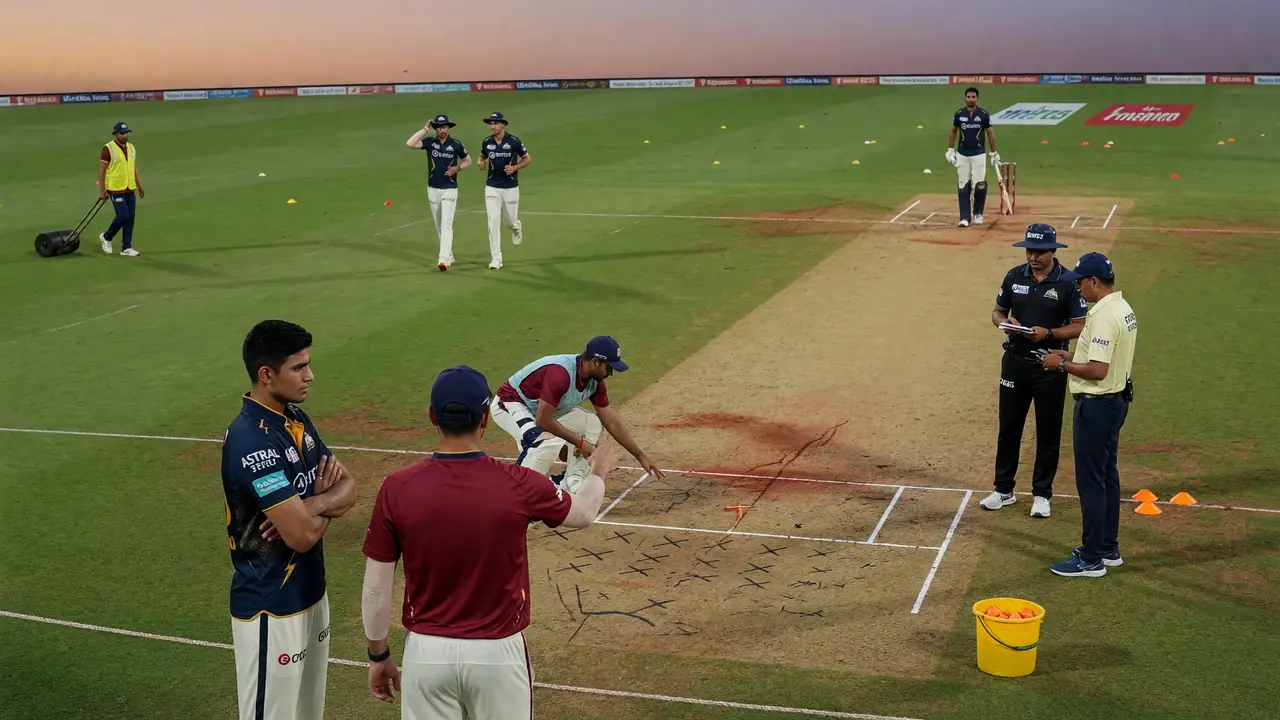
Reading Gill’s preference against the two benches.
Attack length
GT named four seam-or-pace options plus Rashid. Bowling first lets that group set a length early and force LSG’s middle order to rebuild if the new ball bites.
Chase clarity
With Sudharsan, Gill and Buttler at the top, GT preferred a known target. An unchanged batting order is easier to run when the required rate is fixed rather than invented.
LSG’s finishers
Choudhary’s 54 not out off 27 against KKR was fresh. Bowling first is also a way to confront that finishing threat while the ball is still hard and the field is up.
None of those three points requires inventing a pitch report. They follow from the named personnel and the form lines already in the original brief. LSG’s recent habit of winning in the last over means the side is comfortable in compressed endgames; GT’s preference to bowl can be read as a desire to compress the contest on their own terms — take early wickets, then chase a number rather than defend one against a finisher who has just produced a match-winning cameo.
Pant’s dual role as captain and wicketkeeper also shapes the evening. LSG’s on-field decisions run through a batter-keeper who sits in the middle of a heavy middle order. GT’s on-field decisions run through Gill at the top of the order with Buttler behind the stumps. Two different leadership geometries walked into the same toss circle; only one of them won the coin.
Fourteen matches, and the word “consistency” with a scoreboard attached.
Gill’s line about consistency after fourteen matches is the piece of the toss interview that ages best. Early IPL tables punish variance. A side that beats Delhi Capitals comprehensively and then drops the next two is not “bad”; it is incomplete. The captain’s public answer was to refuse a one-match narrative and to keep the eleven steady.
That is also why the “unchanged” note matters more than a generic confidence quote. Changing an XI after every imperfect result is a different philosophy from asking the same group to produce a second clean performance. Gill chose the second path on 12 April, and he said so in language that tied the toss decision to the season, not only to the evening’s dew window.
LSG, arriving with two last-ball wins after an opening defeat, were living a different version of the same problem. Their results already rewarded nerve. A home fixture against a GT side still hunting weekly rhythm was another chance to turn tight cricket into points. The toss brief does not tell us how that tension resolved on the night; it does tell us both captains walked in with early-season scars that looked different on paper.
A toss note that still works as a team-sheet reference.
Retrospectives are useful when they leave the reader with a usable archive rather than a rewritten myth. The 12 April News Mill report, read carefully, still answers four practical questions about that GT–LSG meeting.
Who won the toss, and what did they choose? Gujarat Titans, bowl first. Who said what afterwards? Gill cited confidence from two points in the previous match, confirmed an unchanged side, and framed the season as a consistency race across fourteen games. What did the recent form look like? LSG had lost the opener to Delhi Capitals and then won two last-ball contests, with Choudhary’s unbeaten 54 off 27 against KKR the standout individual mark; GT had one win from three, including a strong result against Delhi Capitals in Delhi. Who was named? The full elevens and impact benches listed above, exactly as the original brief carried them.
Those four answers are enough to reconstruct the cricket logic of the evening without padding. They also remain a useful cross-check for anyone revisiting IPL 2026 team sheets later in the cycle — a dated, attributed snapshot of how both franchises wanted to look on a Sunday in Lucknow.
For wider season context around squads, venues and captain reads, the desk keeps the running IPL 2026 coverage updated as official releases land. The 12 April toss call sits inside that season, not outside it: one coin, one bowling-first preference, two named sides, and a captain who refused to treat a single Sunday as the whole story.
Squad notes, venue habits and captain reads for every IPL 2026 franchise.
Filed with a source line on every story and the original date the report crossed the wires. The desk updates when a second source confirms or corrects the first.
More from the desk.
Season calendars and knockout windows
How the league phase and playoff structure sit on the broader cricket calendar.
Continue reading
Franchise templates and role balance
How each side builds a middle order, a death attack and a backup plan when the first XI bends.
Continue reading
Verified cricket notes and retrospectives
Toss briefs, training reports and long-form pieces with a dated source line on every story.
Continue reading