Cricket teams — depth, form, tactical template
Every full-member team, every format, on one desk.
The Teams desk covers the twelve full ICC members and the major Associate nations that feature in the World Cup pathway. Each team page carries a squad page, a depth chart, a captain’s tactical template, a recent-form timeline, and a side-by-side comparison with the next opponent on the calendar. The desk refreshes the data behind every page on the morning the team sheet is due.
The Teams desk is not a wiki. We do not publish what the captain ate for breakfast, and we do not run player profiles for the sake of completeness. Every entry on the page earns its place against the calendar: who is in the XI, who is rotating out, who is the bowler the captain will turn to at the death.
Twelve full-member sides. Twelve different problems.
Recent form and preparation
Recent form is the last five matches in the format the side is about to play, weighted toward home conditions. The desk does not use Net Run Rate as the primary signal — NRR is a derivative of margin and won’t tell you whether the side is playing well. The desk tracks partnership count, dot-ball percentage and the captain’s bowling rotation, because that is what the captain will carry into the next fixture.

The bench matters as much as the XI.
A tour squad carries 15–18 players, and the desk tracks every player in the squad, not just the eleven who play. The squad depth table shows the batting order, the bowling rotation, the wicketkeeping reserve, and the all-rounder who can come in if conditions shift on day three. The desk has caught several match-winning selections from the bench before — a left-arm spinner called up because of a turning track, a quick called up because the seam was carrying — and the squad depth table is what made it possible to spot them.

Squad depth: the next player in for every role
A squad depth table is a small grid with one column per role and one row per player. The desk maintains a depth chart for every team across the three formats. The chart refreshes after every completed tour.
Continue readingThe captain’s tactical template — what the next opponent should expect.
Powerplay
Field settings in the first six overs (ODI) / four overs (T20). The desk tracks the captain’s history here, because the powerplay is where most limited-overs matches are decided.
Middle overs
Spin vs pace mix in overs 7–15 / 5–14. The middle-overs plan is the single most useful signal for the captain matrix.
Death overs
The bowler the captain turns to at the death, the batter the captain sends in, and the field the captain sets when ten runs are needed off six balls.
The team-sheet whiteboard
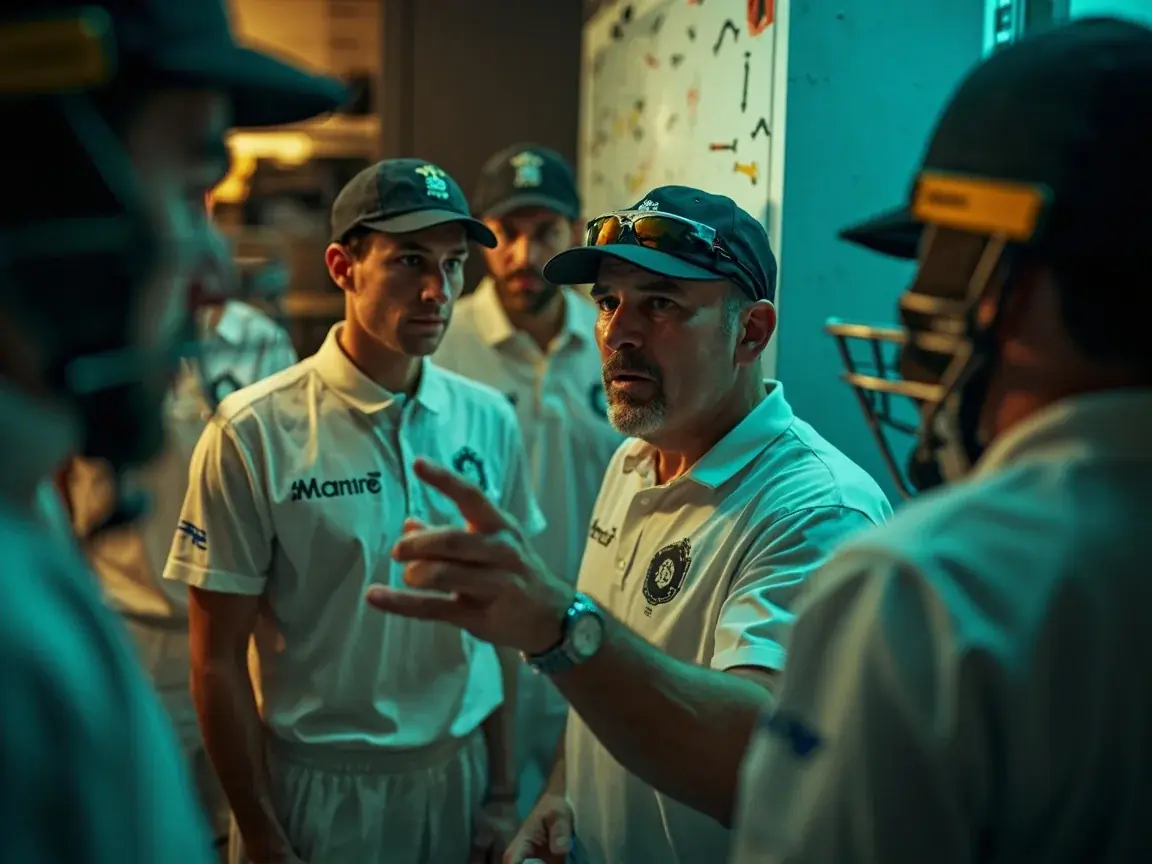
Every team sheet arrives with a tactical plan embedded. The coach’s whiteboard is the most useful part — the captain will repeat most of those field settings in the first six overs. The desk publishes the typical whiteboard for every team in its pre-match note.
Teams desk questions, answered.
How often is the squad depth table refreshed?
After every completed tour. If a side has a Test match followed by three ODIs, the desk refreshes after the last ODI.
Do you publish age and injury data?
Yes, where the source is verifiable. The desk prefers an “unverified” note to a wrong number, and we publish the source beside every figure.
How do you handle the IPL conflict?
Squad depth tables show the IPL commitments separately, because Test and ODI squads are not the same as franchise squads. The captain’s tactical template differs in kind.
Is the form table weighted toward home or away?
Both. The desk runs a parallel home-form and away-form table on every team page.
Where does the squad come from?
The board’s official release. Cross-checked against the host broadcaster’s social feed before publication.
Do you publish the dressing-room dynamics?
No. The desk stays out of unverified dressing-room reports. If a captain has publicly addressed something, we link the statement.
What about retired players returning?
When a player comes out of retirement, the desk updates the depth chart and adds a note. Retired-player returns are unusual enough to be flagged when they happen.
Can I request a team page?
Yes — associate nations usually do not get a depth chart until they’re on a senior tour. The desk takes requests at the contact page.
The Teams desk ships inside the mobile app.
Refreshed after every match, with depth chart, recent form and captain’s tactical template in your pocket.
Three sources, one published lineup.
Every published team sheet on the teams desk is sourced from three places: the host broadcaster’s social feed (typically the first release), the operator’s official page (typically a re-publication within five minutes), and an independent scorer (typically CricViz or ESPNcricinfo, which carries the data feed). The desk reconciles the three sources before publishing.
The reconciliation is published as a dated editor’s note at the top of the team page. Where two of the three sources agree on the XI and the third disagrees, the desk publishes the disagreement and waits for the third source to confirm. Where the three sources agree, the XI is published immediately.
Where a player is ruled out late (between the team sheet and the toss), the desk updates the team page within thirty minutes of the operator’s update. A late update carries a dated editor’s note at the top of the page; the original XI is preserved in the page’s history.
The team sheet is one of the most volatile signals on the desk. The desk’s rule is: never trust a single source. Always wait for the host broadcaster’s confirmation. Always publish the verification timestamp.
What the captain does in the powerplay, middle, and death overs.
The captain’s tactical template is the most under-reported signal in cricket coverage. The desk tracks the template across three phases: the powerplay (first six overs in an ODI, first four in a T20), the middle overs (overs 7–15 in an ODI, overs 5–14 in a T20), and the death overs (overs 16–20 in an ODI, overs 15–20 in a T20).
In the powerplay, the captain sets the field, picks the bowling rotation, and signals the batting intent. A captain who defends in the powerplay signals that the surface is two-paced; a captain who attacks signals that the surface is flat. The desk tracks the signal per captain and publishes the powerplay record on the team page.
In the middle overs, the captain brings on the spinner or the fifth bowler, sets the field for the matchup, and decides whether to attack or consolidate. The middle-overs plan is the cleanest indicator of the captain’s tactical template.
In the death overs, the captain turns to the death bowlers, sets the field for the boundary, and decides whether to take the risk on a slower ball. The death-overs record is what wins or loses T20s, and the desk tracks the per-captain death-overs record on the team page.
What recent form actually tells you.
Recent form is the last-five-matches record in the format the team is about to play. The record is weighted toward home conditions; an away record is published separately on the team page. Recent form is the second-most-watched signal after the team sheet.
Recent form is not the same as the W/L record. The W/L record compresses the margin into a single bit; recent form expands the margin into partnership counts, dot-ball percentages, and captain-rotation patterns. A team that has won three of the last five by close margins has a different recent form than a team that has won three of the last five by comfortable margins.
The desk publishes the expanded recent-form table on the team page, with the partnership counts, dot-ball percentages, and captain-rotation patterns broken out. The desk recommends reading the expanded table rather than the headline W/L record.