IPL 2026 — squads, fixtures, venue notes, captain reads
IPL 2026 is back. Smaller purse, shorter window, same ten franchises.
The IPL 2026 season returns with ten franchises and an eighty-four-match league phase, ending with the usual four-knockout window. The auction purse is smaller than the 2025 cycle, which means the buy-back strategy matters more than the marquee pick. The Come Sports Match desk is rebuilding the squad pages, the venue guides and the captain matrix from scratch, and updating them the moment the BCCI releases the official update.
Coverage on this desk stays editorial — we do not run fantasy contests, do not sell picks, and do not take a deposit. We publish the methodology, the squad read, the captain matrix and the venue notes. The pick you make is yours.
Latest match notes and retrospectives.
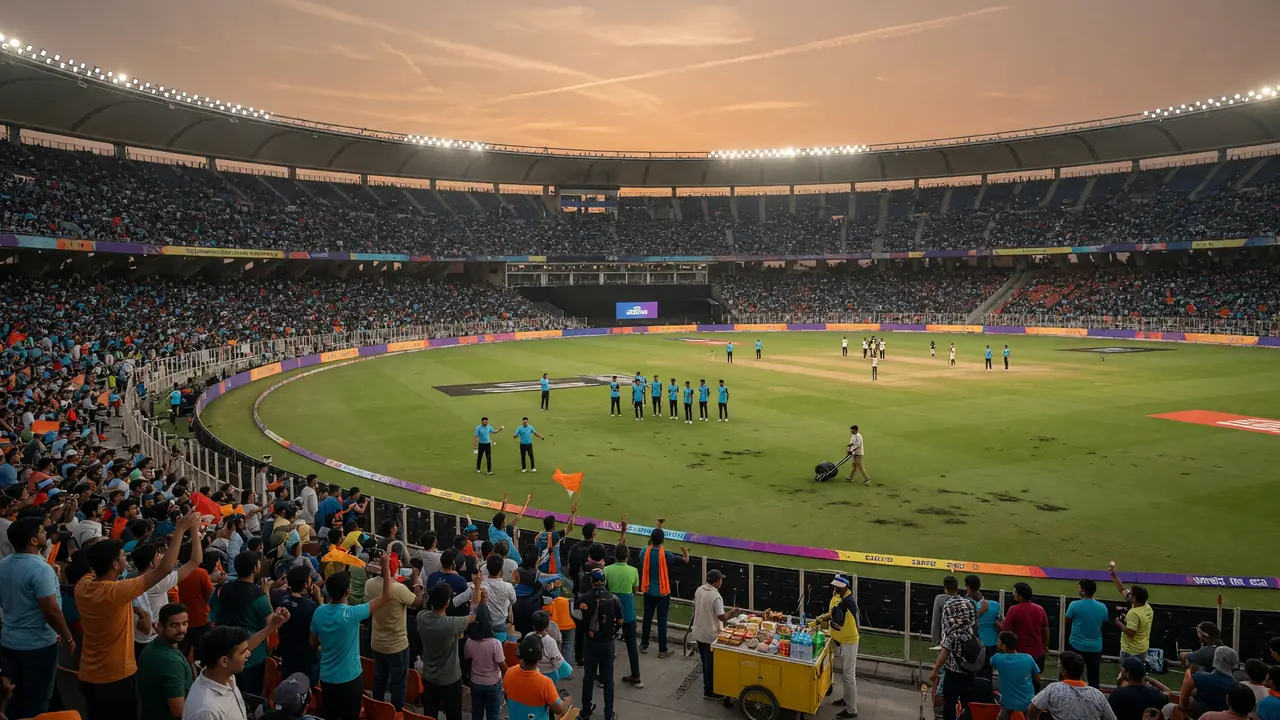
All ten franchises, on one desk.
Squads and player roles
Each franchise’s IPL 2026 squad is being rebuilt from the auction table. The role balance matters more than the marquee pick — an under-strength bowling unit loses in the powerplay, not the death. The desk publishes a role-balance score for every franchise after the auction closes.

Venue-by-venue notes for every home ground.
Wankhede, Chinnaswamy, Eden Gardens, Arun Jaitley, Sawai Mansingh, Rajiv Gandhi, Mohali, Narendra Modi, Bharat Ratna Shri Atal Bihari Vajpayee Ekana, MA Chidambaram — every home ground behaves differently in the second innings. The venue guide covers boundary size, average first-innings score, dew likelihood at 8 pm, and the captain’s most likely change-up at the resumption.
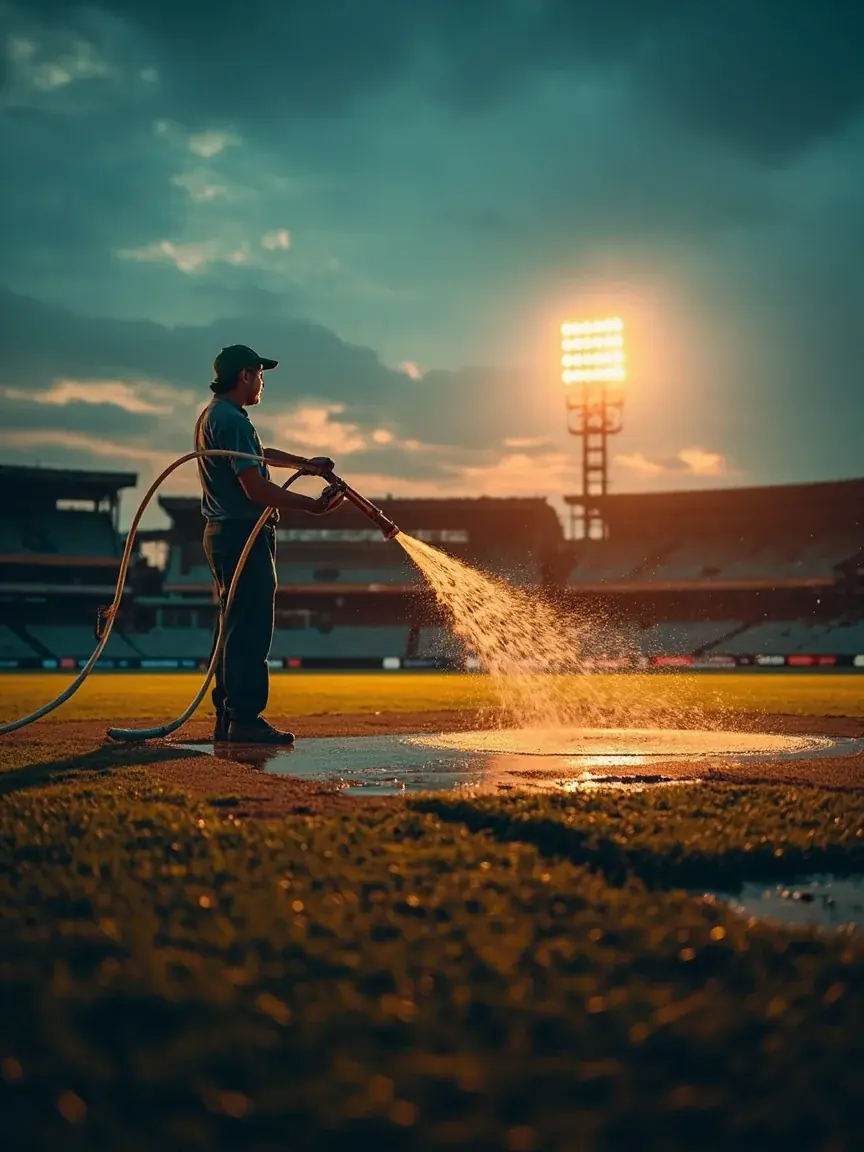
MA Chidambaram, Chennai — slow turner, dry surface
Chepauk behaves differently from Mumbai. The deck turns square by the eighth over of the second innings, the boundary is short on the Vimala end, and dew is unusually light on a clear spring night. The captain who wins the toss and bats first at Chepauk in April will defend 175; the same captain at the Wankhede will be 20 short.
Continue readingSeason guide and matchday context
IPL matchday is built around the calendar. The first two weeks settle the early-order batting; the back third settles the bowling death. The season guide breaks the calendar into three windows and explains what the captain’s tactical template should look like in each.

The captain matrix you can scan in twenty seconds.
Per-match matrix
The desk publishes a per-match captain matrix for every fixture. The matrix is a five-signal scoring grid — form, role, venue, opposition matchup, dew. Top three picks published in order.
Season-long captain brief
The desk publishes a season-long captain brief once the auction closes. The brief is a single page summary of which captains are over-priced, which are under-priced, and which are the ones to watch as differentials.
Auction tracker
The auction tracker publishes purse remaining, overseas slot count, and the unsold list for every round. The desk refreshes within five minutes of the auctioneer closing a lot.
Injury watch
The desk publishes the injury watchlist for every franchise, with a likely return date for each player. The list is updated on the morning of every fixture.
IPL 2026 desk questions, answered.
When does the IPL 2026 season start?
The BCCI confirms the season opener six weeks before the first match. The desk publishes the date on the IPL 2026 desk and through the news section.
How many matches will my franchise play?
Each franchise plays fourteen league matches — seven home, seven away — before the playoff window. The full schedule is published on the desk the day the BCCI confirms it.
Do you run live coverage of the matches?
Yes — the live ticker is on the scoreboard, and per-match briefing goes live three hours before the toss.
Do you publish player ratings?
Yes — the desk publishes player ratings after every match, refreshed with the captain-matrix score for the next fixture.
What about the impact player rule?
The impact player rule was retained for 2026 with one technical adjustment. The desk has the rule on the fantasy tips page and the points system page.
Do you publish the venue forecast?
Yes — venue forecasts go live the evening before each match, with the dew window and the rain risk called from the local meteorological office.
Is the captain matrix free?
Yes. The desk is editorial and the matrix is published in full, with the reasoning. Picks you make are yours.
What about overseas player availability?
The desk publishes the overseas player availability list every week, with the slot count and the likely XI.
Fixtures, captain matrix, injury watch — refreshed after every match.
Editorial coverage of IPL 2026 with venue notes, auction tracker and the captain matrix you can scan in twenty seconds.
Three segments of the calendar, three different problems.
The IPL calendar divides naturally into three windows. The first window is the opening two weeks, where the early-order batting and the powerplay tactics settle — the franchises that get the early-order right set the table for the back half of the league. The second window is the middle six weeks, where the role-balance discipline turns contests into winning positions and the captain matrix starts to deliver above the median. The third window is the back three weeks, where the bowling death and the playoff race come into focus.
The opening window is when the role-balance chart matters most. The franchises have rotated out their best bowlers and rested their strike hands, and the early lineups carry a wider role-distribution than the mid-season lineups. The captain focus shortlist on the desk is updated every twelve hours during the opening two weeks; the desk refreshes the predicted-XI page daily.
The middle window is when the captain matrix delivers above the median. The role-balance chart has settled, the form tables have stabilized, and the captain focus shortlist has narrowed to the players who are scoring consistently in their roles. The desk’s mid-window captain focus is published as a per-fixture list, with the top three in order of matrix score.
The back window is when the bowling death matters most. The captain picks shift from openers and top-order batters to all-rounders and death-overs bowlers. The dew window shifts later into the evening, which affects the bowling-rotation pattern at the venue. The captain focus shortlist in the back window is updated hourly during the playoffs.
What the smaller purse changes for the franchises.
IPL 2026 carries a smaller auction purse than the 2025 cycle. A smaller purse means each franchise’s cricket operations team has to choose more carefully: marquee overseas players eat a larger share of the purse, leaving less for the Indian core. The buy-back strategy — retaining players before the auction — matters more than the marquee pick.
The practical effect on the league is that franchises will lean more heavily on their retained players. Marquee overseas picks (the ₹16–₹20 crore slots) will probably drop to four or five franchises rather than eight. The buy-back slots will be filled by franchises looking to hold on to a domestic core that’s already worked in tandem.
The captain’s tactical template matters more under a smaller purse. A franchise that spends the purse on three marquee players and runs thin through the rest of the XI is going to struggle in the middle of the season — because injuries and rotation aren’t absorbed as cleanly. The desk tracks each franchise’s purse remaining and overseas slot count on the auction tracker.
How each franchise’s XI shapes up.
Each IPL franchise carries a 22-player squad, of whom 11 play in the XI and the rest are rotation options. The role balance of the XI matters more than the marquee picks — a lopsided XI under-performs on the median, even with a strong captain.
A typical IPL XI has 3–4 batters, 1 wicketkeeper, 3–4 bowlers, and 2–3 all-rounders. The mix depends on the pitch and the opposition — a spin-friendly surface favours an extra spinner; a batting-friendly surface favours an extra batter. The captain’s tactical template sets the role mix for the fixture; the franchise’s squad depth sets the rotation options.
The desk publishes the per-fixture predicted XI for every IPL 2026 match. The predicted XI is built from the captain’s tactical template, the franchise’s squad depth, and the surface-and-conditions note. The predicted XI is verified against the host broadcaster’s team-sheet release and updated when the team sheet changes.