Rohit Sharma ODI retirement: the selector call before Lord’s
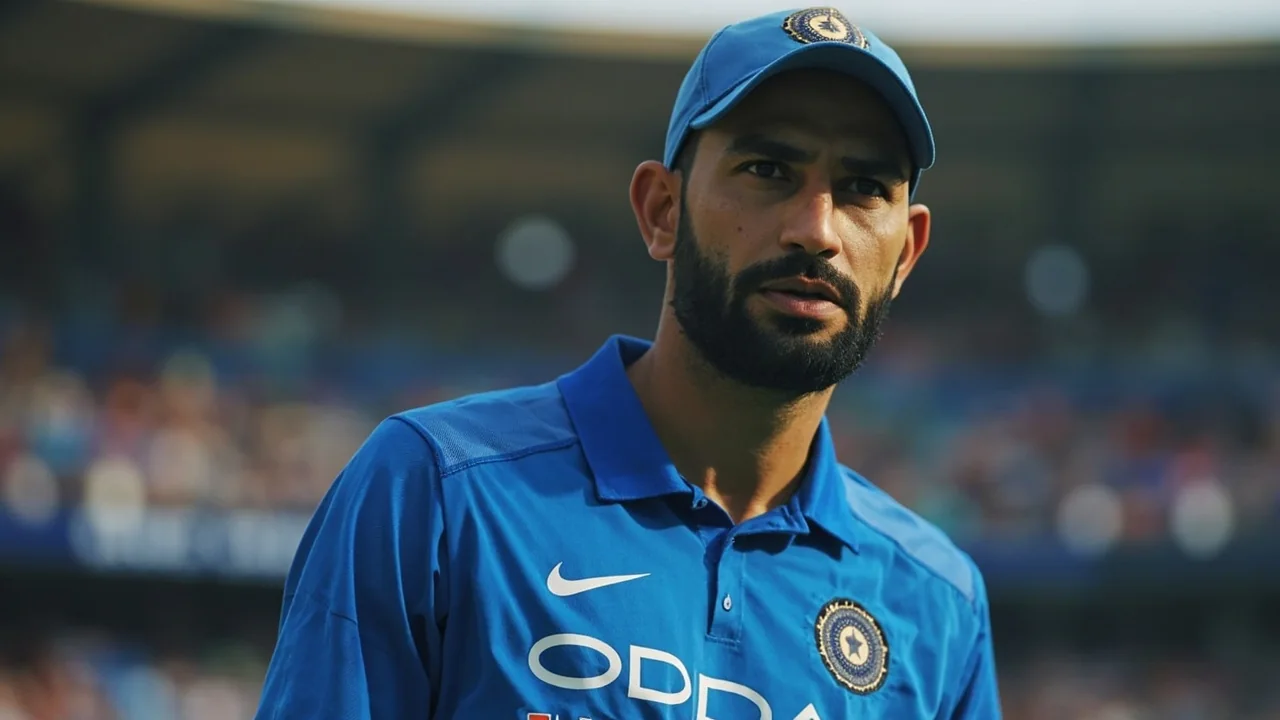
The story that landed on 16 July, and what it actually said
On the afternoon of Thursday 16 July 2026, a story crossed the cricket wires that reframed the rest of England v India. The Cricket News, syndicated through Yahoo Sports and originally reported by The Indian Express, said that India’s senior selection committee had informed Rohit Sharma that he was not part of India’s ODI plans once the ongoing series in England concluded. The third ODI at Lord’s, scheduled for 19 July, was framed in that report as potentially his final international match.
Twelve days on, the piece still reads as the cleanest single-source statement of how the selectors had decided to draw the line. It is also a useful anchor for understanding what the selectors had actually told Sharma, what they had told head coach Gautam Gambhir, and which names around Sharma were being positioned as the road to the 2027 ODI World Cup.
The reporting does not name the selectors, does not quote Sharma, and does not record a formal BCCI statement. It carries one attributed BCCI source confirming that the selectors had communicated clearly to Rohit that his future beyond the England tour was not part of their planning, and notes that Sharma had raised the matter directly with BCCI officials during the series and was not entirely satisfied with how the decision had been communicated.
The three lines the BCCI communicated to Rohit Sharma.
The Indian Express report distils the selection committee’s position into three practical lines, each of which has a visible cricket consequence.
The first is that Sharma’s name is not on the ODI list beyond the England series. The selectors had discussed the road ahead with him alongside head coach Gautam Gambhir the week before the report, and the committee made clear that the conversation was not a negotiation about form. It was a statement of direction. The selector in question is not named in the public report; the BCCI source quoted is described as confirming that the selectors had spoken clearly to Rohit.
The second is that the committee wants an extended run for Yashasvi Jaiswal. Jaiswal, the report says, has been patiently waiting for a consistent run in the ODI side. The phrasing matters. It does not say Jaiswal is being fast-tracked; it says the selectors want to give him the kind of innings-to-innings ODI exposure that the run-up to a World Cup demands, and that this window cannot open until Sharma’s place at the top is no longer occupied.
The third is that the ODI captaincy had already moved to Shubman Gill the year before. The captaincy handover is the structural tell. A generational shift was already in motion, and the committee’s 16 July message was the player-level confirmation of the same direction the leadership group had taken twelve months earlier.
The shape of the call
The selectors did not frame this as a form slump, and the report does not lean on Sharma’s recent numbers as the central argument. The framing is structural: a 2027 World Cup cycle that needs long-term clarity, and a side that the committee wants to build around a younger opening pair. Sharma’s recent scores sit alongside the call, but they are supporting evidence rather than the trigger.
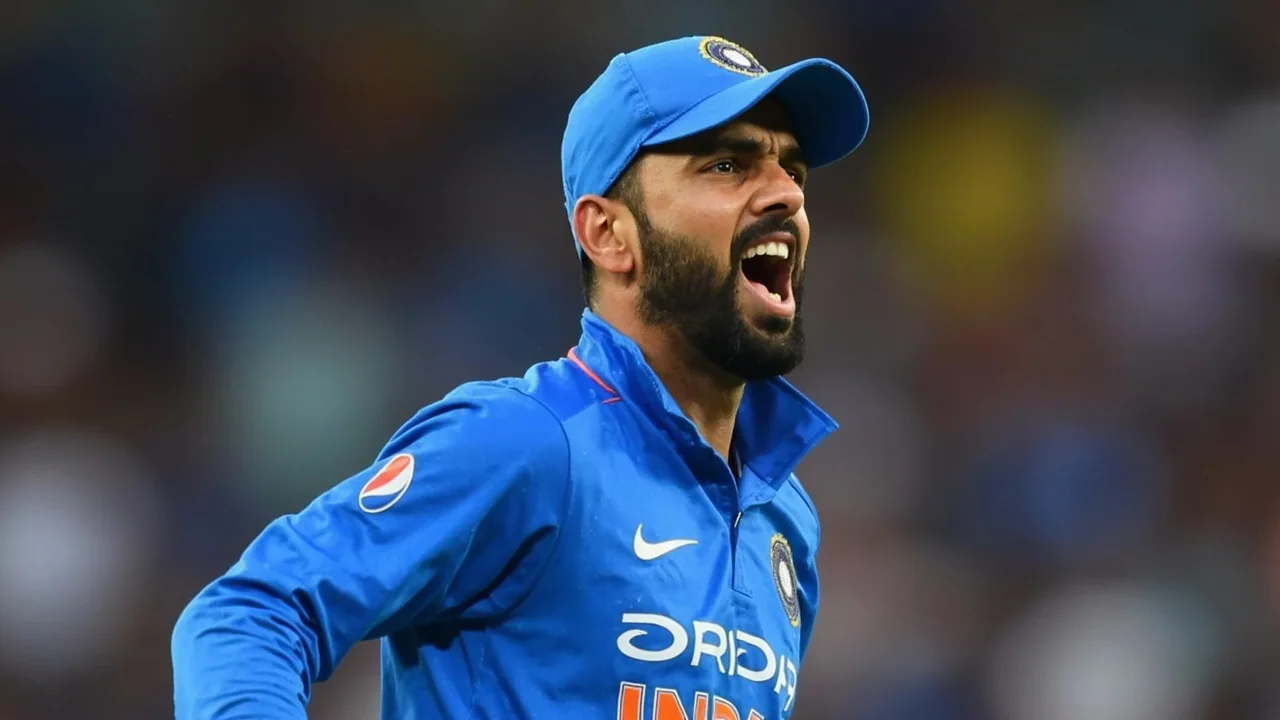
Why the numbers gave the selectors an easier case than the headlines suggested.
Sharma’s first two innings of the England series gave the selectors cover they did not have to look for. Eleven runs in the opener was followed by 26 off 47 balls at Cardiff. The 16 July report notes that 47-ball innings was the slowest of Sharma’s ODI career among knocks worth at least 25 runs. He was dismissed by Will Jacks, having managed only a single six across the entire stay, and had survived a skied shot earlier in the innings that dropped between fielders.
None of those numbers, taken alone, are catastrophic. A 47-ball 26 has ended hundreds of useful ODI innings without ending a career. The report treats them differently: as a cumulative pattern, across the summer’s batting windows, that aligned with the structural call the selectors were already making.
The Indian Express framing distinguishes between form and direction. The numbers are the visible part of the conversation; the direction is the part the selectors had been working on for the better part of a year. Gill had the captaincy. Jaiswal had been knocking on the ODI door. The conversation with Sharma was the closing piece of a sequence that started well before the Cardiff innings.
How Lord’s would sit at the end of a three-format career.
- 29 Jun 2024
- T20I exit. Sharma stepped away from T20 Internationals hours after leading India to the T20 World Cup title. The announcement was made the same evening as the final, with no farewell series.
- 7 May 2025
- Test exit. Sharma announced his retirement from Test cricket on social media, ahead of India’s summer tour of England. The Test retirement preceded the England series by more than a year.
- 2025
- ODI captaincy handover. The ODI captaincy had already been handed to Shubman Gill before the Test retirement, signalling the generational shift the selectors were preparing for.
- 16 Jul 2026
- The selector call. The Indian Express, syndicated via The Cricket News and Yahoo Sports, reports that the selection committee has informed Sharma he is out of the ODI plans once the England series concludes. Lord’s, on 19 July, is framed as the likely final international match.
- 19 Jul 2026
- Lord’s third ODI. Scheduled date for the third ODI at Lord’s, framed in the reporting as the possible final international appearance of Rohit Sharma’s career.
The reason the 16 July reporting reads as a clean endpoint rather than a shock is the three-step shape behind it. The T20I exit in 2024 was already a public farewell. The Test retirement in May 2025 was the second step. The ODI captaincy moving to Gill the same year was the structural tell. The 16 July story is the third leg of a sequence that the selectors had been working through for two years.
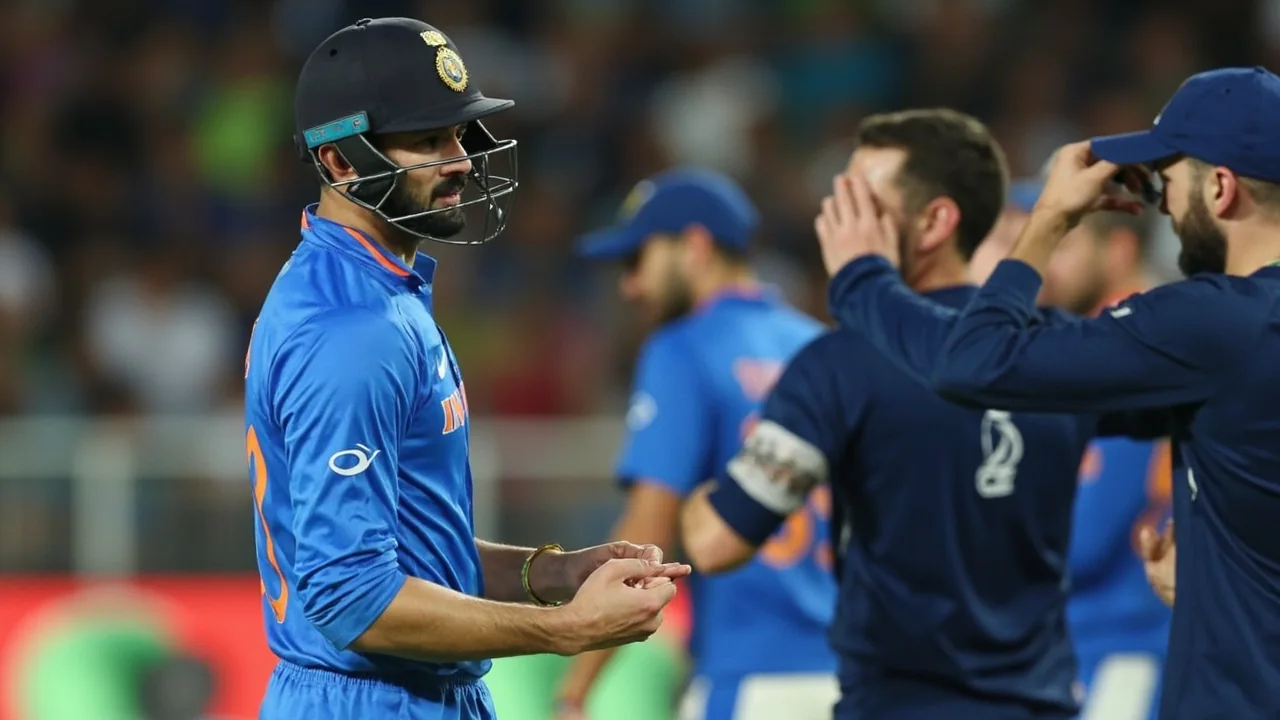
The 2027 World Cup cycle, in three working pieces.
The opener slot
Jaiswal’s extended run at the top is the visible change. The selectors want a left-right combination for the 2027 cycle that does not depend on a single finisher to carry the powerplay.
The captaincy
Gill had the ODI captaincy already. The selector call does not change the captain; it confirms the team the captain will be leading into the cycle.
The transition window
India play a full 2027 calendar, with the ODI World Cup the structural anchor. The selectors need 18 to 24 months of consistent selection to bed in the new combinations before the tournament.
The 16 July report does not use the word “transition”, but the structure of the selectors’ argument is a transition argument. Jaiswal needs innings, not just a debut. Gill needs a settled side to lead. The 2027 cycle starts when the current one ends, and the selectors are signalling that the team they want at the 2027 World Cup has been in build mode since the Test retirement in May 2025.
For all the emotion around a Lord’s farewell, the working assumption underneath the selectors’ message is cold: a 50-over World Cup cycle rewards long-term clarity, and the longer the captaincy-versus-form tension runs unresolved, the more the side loses the prep window it actually needs.
What Sharma said back, and what the report does not pretend to settle.
The Indian Express report is unusually candid about the friction. Sharma, the report says, had raised the matter directly with a few BCCI officials during the ongoing series, and was not entirely satisfied with how the decision had been communicated. Sharma’s own desire, the report adds, had been to continue playing — especially after investing heavily in his fitness across the preceding months.
That is the only direct signal of Sharma’s position in the public reporting. There is no Sharma quote in the story. There is no manager’s statement. There is no social-media post from the player. The cricket world read the selectors’ decision through the selectors’ framing, and the only piece of player-side colour is the line about Sharma having raised the matter directly with BCCI officials and being unsatisfied with the communication.
The report does not claim Sharma has retired. The Cricket News syndication on Yahoo Sports uses “tipped to retire” in its headline, not “has retired”. The body of the report, credited to The Indian Express, talks in terms of selection committee decisions and selectors’ planning, not formal retirements. Whether Lord’s becomes a confirmed farewell depends on what Sharma says after 19 July, and that was outside the scope of the 16 July reporting.
What the source line does not give us
The report is sourced to a BCCI insider confirming that selectors had communicated clearly to Rohit, and to The Indian Express’ own reporting on the conversation. It does not contain a Sharma quote, a manager’s statement, or a BCCI press release. Any further statement of fact should be sourced separately; the desk treats the 16 July report as a high-confidence snapshot of the selectors’ position, not as Sharma’s own statement.
The stage, the cycle, and the case for reading the selectors’ call generously.
If Lord’s does turn out to be the last international innings, the stage is not an accident. Lord’s is the venue where Indian cricket has had some of its most emotional farewells. The setting gives the selectors’ decision a stage it would not otherwise have.
The selectors, for their part, do not appear to have framed the call as a farewell. The framing inside the report is a working selection decision, not a sentimental one. That distinction is worth holding. A selectors’ panel that has decided to build a side around a younger opening pair ahead of a World Cup cycle is making a planning call. The Lord’s framing is the media’s, not the selectors’.
That is also why the report lands harder than a straight retirement announcement would have. A retirement is a player’s decision; a selection decision is a committee’s. The Cricket News / Indian Express report gives the reader a committee decision rather than a farewell, and asks the reader to read the cricket shape of the decision rather than the emotion.
The legacy the selectors were protecting, and the cycle they were protecting it for.
Read end-to-end, the 16 July reporting is a story about how India’s selectors were optimising for a 2027 ODI World Cup cycle, and how Rohit Sharma’s place in that cycle had closed. The selectors had told him so, with the head coach in the room, the week before. The structural tell — Gill as captain, Jaiswal waiting in the wings — had been in motion for over a year. The recent scores gave the selectors a clean field on which to write the message.
What the story leaves open is what Sharma says after Lord’s. The 16 July reporting gives the reader the selectors’ position. It does not give the reader Sharma’s. The cricket shape is settled; the personal statement is not, and the desk treats that distinction as the boundary between reporting and interpretation.
Twelve days on from the original report, the piece remains the cleanest public statement of where India’s ODI selection stood at the midpoint of July 2026. It is also a useful working reference for anyone tracking the selectors’ logic ahead of the 2027 cycle — a cycle that, by the selectors’ own 16 July framing, was always going to be built around a younger opening pair rather than around Sharma.
More from the desk on the selector movement, captaincy handover and the Jaiswal opening case is collected on the cricket news page.
The news desk covers the selectors’ ODI plans, the Jaiswal opening case, and the Gill captaincy file.
Filed with the source line on every story and the date the original report crossed the wires. The desk updates each piece when a second source confirms or contradicts the first.
More from the desk.
India’s ODI leadership file — Gill, the deputies, the selectors’ frame
How the captaincy choice is structured, what the deputies are being readied for, and what the selectors’ 2027 logic looks like in practice.
Continue reading
Yashasvi Jaiswal’s ODI case — what an extended opening run actually buys the selectors
Jaiswal’s white-ball record, the innings-to-innings exposure the selectors want before the 2027 cycle, and what an opener pair looks like under Gill.
Continue reading
What the desk is covering this week
The team-sheet pipeline, the late-mail column and the marquee ODI fixtures on the editorial calendar.
Continue reading