Zimbabwe v India, 1st T20I — the Harare opener and what it tells us about the series

The opener that frames the rest of the week
The 1st T20I between Zimbabwe and India at the Harare Sports Club on 23 July 2026 is the kind of fixture that rarely grabs a global headline, but quietly answers a lot of the questions Indian cricket fans are asking in the second half of July. It is the first of three T20 Internationals on this tour, and the opening match of the shortest-format leg of India’s white-ball programme before the home season begins. For Zimbabwe, it is the start of a home stretch against a full member they have competed with, occasionally beaten, and increasingly closed the gap on.
The toss is scheduled for 13:00 local time. With Zimbabwe in mid-winter and Harare running dry through July, the pitch is expected to grip a touch in the second half of the innings, which usually tilts the captain who wins the toss towards chasing under lights. That single decision — bat first or bowl first — is likely to shape the tempo of the next two games as well.
Squad changes matter more than usual this week. India go in without Varun Chakaravthy, ruled out on 12 July with a hamstring injury and replaced in the touring party by Ravi Bishnoi. The swap changes the balance of the spin attack and pushes the captain’s hand on how many wrist-spinners to play on a surface that has historically offered turn from the Kensington End.
The numbers behind the opener.
What the squad tells us
India’s 15-man squad for the tour reads as a clear A-side rotation: Tilak Varma is named vice-captain, Ishan Kishan and Prabhsimran Singh are the two wicketkeepers, and the seam group runs four deep with Harsh Dubey, Yash Thakur, Mayank Yadav and Prince Yadav. The batting core is built around Shreyas Iyer at four, Abhishek Sharma at the top, Rinku Singh and Suryansh Shedge in the middle order, with Shivam Dube providing the left-hand power option.
The headline change from the original squad is the swap of Ravi Bishnoi in for Varun Chakaravthy. Chakaravthy’s wrong’un has been a feature of India’s T20I set-up over the last twelve months, and his absence means Bishnoi is the frontline wrist-spinner, with Harsh Dubey as the second tweaker and Ashok Sharma the seam-bowling allrounder. The captain now has a choice: play two spinners and three seamers, or hold the second spinner back and load the side with batting at seven.
Zimbabwe’s squad is captained by Sikandar Raza, the allrounder around whom the side’s T20 plans are still built. The supporting cast is unchanged from the recent home series against a touring associate side — the same batting order that chased 168 in the second T20I of that series without losing a wicket in the final five overs. Expect Zimbabwe to bat Raza at three or four and use the powerplay aggressively.
The three things to watch from the first over
The opening Powerplay is where the series template usually gets set, and three matchups will tell us most of what we need to know by the time the scoreboard reaches 50. First, how Mayank Yadav’s pace looks up front — he has been spoken about as India’s quickest white-ball option for some time, and the Harare surface will give him bounce if he hits the hard length. Second, whether Zimbabwe open with a left-right combination to neutralise the off-spin of Ashok Sharma, who is likely to be held back for the middle overs.
Third, and most importantly, how the Zimbabwe captain uses the review. Sikandar Raza has been more conservative with DRS than most international captains over the last year, and on a surface where the ball can clip the pad-and-bat gap, the first innings challenge could turn on a single review. India’s review count against spin has been below-par recently — they lose more reviews to the umpire’s-call rule on the front pad than any other full member.
There is also a captaincy question worth flagging before the toss. Shreyas Iyer has not previously led India in a T20I away from home, and his field-setting at the death — where India have leaked the most runs since the start of 2026 — will be closely watched by the selectors. Expect the captain to keep a slip in for the first three overs and rotate the spinners aggressively in the middle.
Who is in, who is out, and what changed.
| Squad | Player | Role | Note |
|---|---|---|---|
| India | Shreyas Iyer | Top-order batter, captain | Leads for the first time on a T20I away tour |
| India | Tilak Varma | Middle-order batter, vice-captain | Set at three, with licence to attack spin |
| India | Ishan Kishan | Wicketkeeper-batter | First-choice keeper; opens with Abhishek Sharma |
| India | Prabhsimran Singh | Wicketkeeper-batter | Bench option; can drop in if India want extra batting depth |
| India | Abhishek Sharma | Top-order batter, left-arm spin | Powerplay specialist; the off-spin overs are his |
| India | Rinku Singh | Middle-order batter | Finisher role; 7-and-under |
| India | Suryansh Shedge | Middle-order batter | Float at five or six; will face the majority of spin in the middle overs |
| India | Shivam Dube | Allrounder | Used in the powerplay overs against pace; can bowl two if needed |
| India | Vaibhav Sooryavanshi | Top-order batter | The teenager; one of three openers in the squad |
| India | Ravi Bishnoi | Leg-spinner | Replaces Chakaravthy; frontline wrist-spinner |
| India | Harsh Dubey | Left-arm wrist-spin | Second spin option; used in the middle overs |
| India | Ashok Sharma | Seam-bowling allrounder | Off-spin overs; can bat at eight |
| India | Yash Thakur | Fast bowler | Death specialist; hits the hard length |
| India | Mayank Yadav | Fast bowler | New-ball pairing with Prince Yadav |
| India | Prince Yadav | Fast bowler | Right-arm pace; complement to Yadav at the other end |
| Zimbabwe | Sikandar Raza | Allrounder, captain | The plan revolves around him — bat, ball, and captaincy |
| Zimbabwe | Zimbabwe’s 15-man squad is announced separately by Zimbabwe Cricket. See the cricket news desk for the confirmed XI once published at the toss. | ||
Injury note — 12 July
Varun Chakaravthy was ruled out of the T20I series on 12 July with a hamstring injury and replaced in the squad by Ravi Bishnoi. The change is the only swap since the squad was first named.
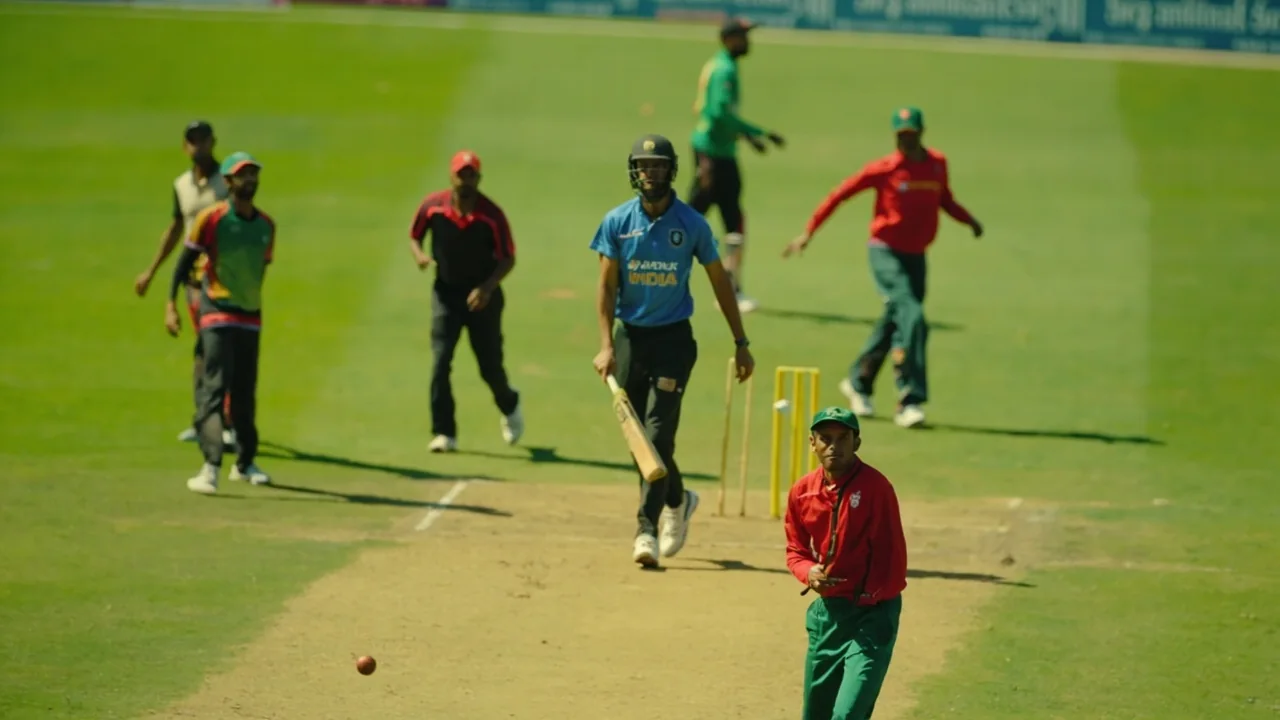
Three numbers worth keeping after the first innings.
Powerplay run rate
India’s powerplay scoring has dipped below 7.5 in three of their last five T20Is. If they fall short of that mark again, the rest of the batting card has to over-correct — and that is where wickets fall.
Wrist-spin overs
With Chakaravthy out, Bishnoi is the lone frontline wrist-spinner. If he is held back for the second half of the innings, India’s powerplay economy becomes the story of the match.
Death-overs economy
Zimbabwe’s death-overs scoring has been the quiet strength of their T20I cricket in 2026. If India take pace off early, the 17th–20th over scoring rate is the line that decides the chase.
How this series slot fits the bigger picture
This tour sits in a quieter window of India’s calendar, but it carries selection weight. The squad is built around players who will be in contention for the Asia Cup squad selection later in the summer, and the spinner combination is the clearest live selection question. Bishnoi gets a full three-match window to show he can lead the attack without Chakaravthy alongside him, and India’s middle-order batting against spin in Harare will tell the selectors whether Tilak Varma at three is a permanent move or a tour-specific call.
For Zimbabwe, the value of the series is ranking points and a chance to test their depth at home against a full-member attack that varies its pace. The captain has already said publicly that the goal is to be competitive across all three matches; a series win would be a stretch, but a one-all or one-two result is within the squad’s ceiling if the powerplay batting clicks.
Beyond the result, the tour matters because it is one of the last opportunities for both teams to play T20I cricket before the next ICC ranking cycle refresh. That gives the dead rubbers a faint competitive edge — even the third T20I will be played with one eye on the net run rate that ties into the next qualification cut-off.
The day-of-match checklist for the 1st T20I.
Three things to track once the coin is in the air. First, the XI: Zimbabwe usually name an unchanged side when they win the previous match, and a fresh side when they lose. The team sheet tells you which version of the side they have picked. Second, the bowling rotation: India have rotated Ashok Sharma and Bishnoi in the powerplay over recent series, and whichever one opens the bowling is the captain’s tell on how he plans to use spin in the middle. Third, the chase math: if the team batting first is bowled out for under 140, the chasing side can afford to take the powerplay steady and target the back end. If the first innings goes past 170, the chase becomes a Powerplay-plus-three game.
The broadcast is on the host broadcaster in Zimbabwe and the BCCI’s streaming platform in India, with the score-centre feed updating ball-by-ball. The team sheet is published at the toss, which is 30 minutes before the first ball.
The 2nd T20I is on 25 July at the same venue, and the 3rd on 26 July. Both sides have a rest day between matches, and the squads stay together for the full week.
The cricket news desk tracks every T20I this week — team sheets, training notes, and post-match reviews.
Filed before the toss, with the source line on every story. The desk also publishes the 2nd and 3rd T20I previews ahead of play.
More from the news desk.
India’s T20I captaincy matrix — who is leading, and why
How the captaincy choice across formats is structured, and what the selectors are watching on this tour.
Continue reading
How India’s quicks are being managed on away tours
The rotation pattern, the spell-by-spell breakdown, and what it means for the back end of the series.
Continue reading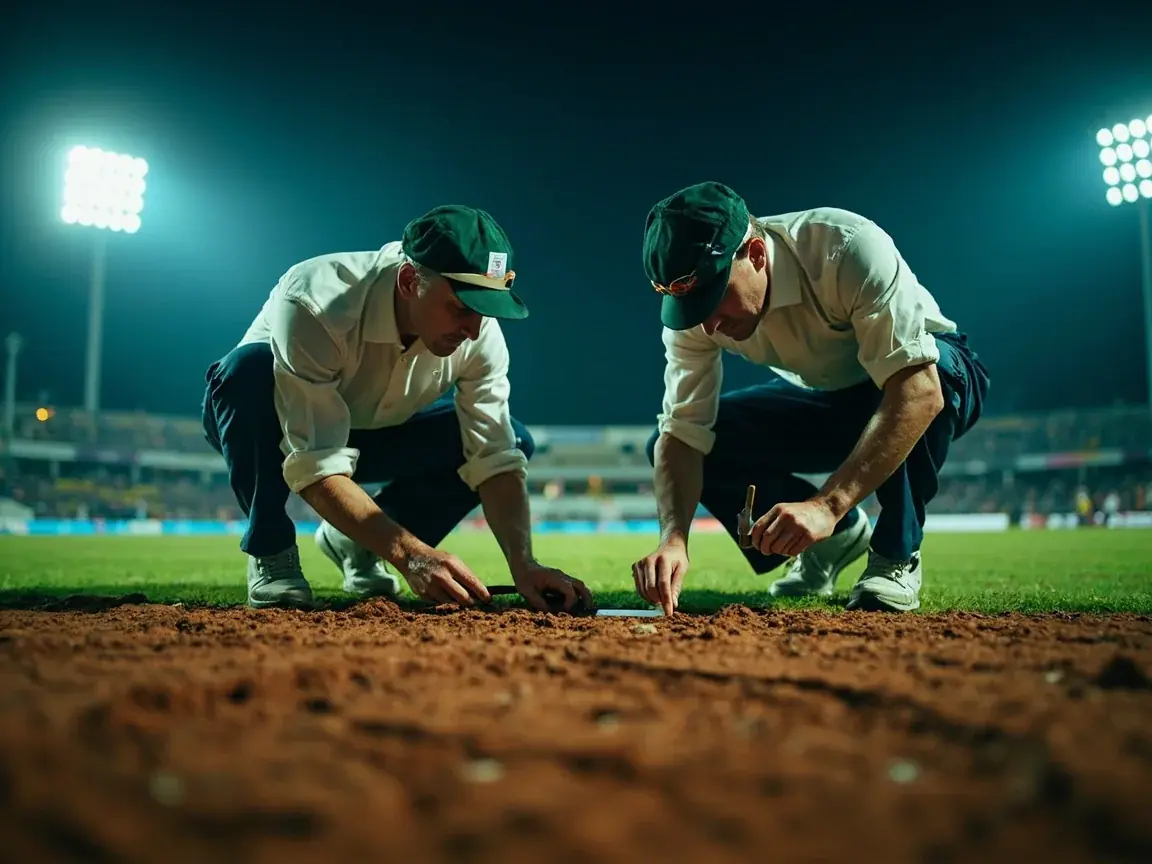
Pitch and conditions preview for the Harare opener
What the Kensington End has produced in recent series, and how that maps onto the likely playing XIs.
Continue reading